🎮 Learning Through Play: The 20 Pedagogical Sequences of the InterGames Project
In the field of educational innovation, the InterGames project offers an inspiring vision for transforming play into a concrete tool for learning.
Through 20 carefully structured and tested pedagogical sequences, InterGames provides teachers and schools with ready-to-use resources to integrate playful dynamics into everyday teaching.
The goal? To foster engagement, cooperation, and the development of key competences — in a practical and replicable way.
The project’s pedagogical sequences were developed starting from the analysis and selection of ten video games addressing the theme of conflict.
The chosen games explore different types of conflict:
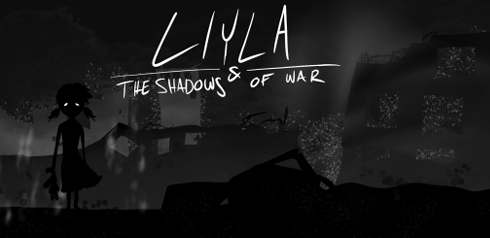
- War-related games such as This War of Mine, Liyla and the Shadow of War, Bury Me, My Love, Freedom Bridge, and September 12th;
- Environmental and social conflict games such as The Climate Trail, Plasticity, Phone Story, Aguamod, and Quandary.
Each pedagogical sequence is organized into three distinct phases:
- Introductory phase – the teacher plays a central role: setting the context, explaining the rules of the game or simulation, and activating the learning environment.
- Operational / gameplay phase – students engage in the activity, cooperate, experiment, solve tasks, and explore scenarios.
- Reflection and consolidation phase – students connect the game’s theme to real life, exploring and deepening specific issues while linking them to curricular content and assessing results.
This structure ensures that the gaming moment is not an end in itself but becomes a bridge toward conscious, meaningful learning.
The sequences also share some common features:
- Teacher support: each sequence includes detailed guides, objectives, suggestions for adaptation, and supporting materials.
- Flexibility and adaptability: the sequences are modular and can be adjusted to suit classes with different technological resources or educational contexts.
- Interdisciplinarity and key competences: activities focus on transversal skills such as critical thinking, collaboration, and digital citizenship rather than isolated subject content.
During the testing phase, several strengths emerged:
higher motivation and participation from students, active engagement even among those less inclined toward traditional frontal lessons, and opportunities for teachers to observe group dynamics, facilitate collaboration, and guide learning processes.
However, some challenges also became evident — both technological (access to devices or connectivity) and pedagogical, particularly the need to dedicate sufficient time for interdisciplinary applications of the proposed activities.
The 20 pedagogical sequences developed within the InterGames project represent a concrete, inspiring, and pragmatic resource for introducing game-based education in schools.
They are not an endpoint, but rather a starting point: an open laboratory inviting every teacher to re-invent, adapt, and evolve their practices.
The sequences were tested and piloted in Italy, Austria, Sweden, Romania, Cyprus, and Spain, and are now available in five languages on the project website.
If you are a curious teacher, you can explore the sequences, download the guides, and experiment with them in your classroom.
Every class and every context is different — but a well-designed game can become that bridge between fun and meaningful learning that turns teaching into a truly engaging experience.